

In recent years, there has been a significant shift towards sustainable living, and one of the most visible changes is the increasing use of biodegradable bags. As a supplier of biodegradable bags, I often encounter a common question from customers: "Are biodegradable bags strong enough for long - term use?" In this blog post, I'll delve into this question, exploring the science behind biodegradable bags, their strength, and their suitability for long - term applications.
Understanding Biodegradable Bags
Biodegradable bags are designed to break down naturally over time through the action of microorganisms such as bacteria, fungi, and algae. Unlike traditional plastic bags that can persist in the environment for hundreds of years, biodegradable bags offer a more environmentally friendly alternative. They are typically made from renewable resources such as plant starches, cellulose, and other organic materials.
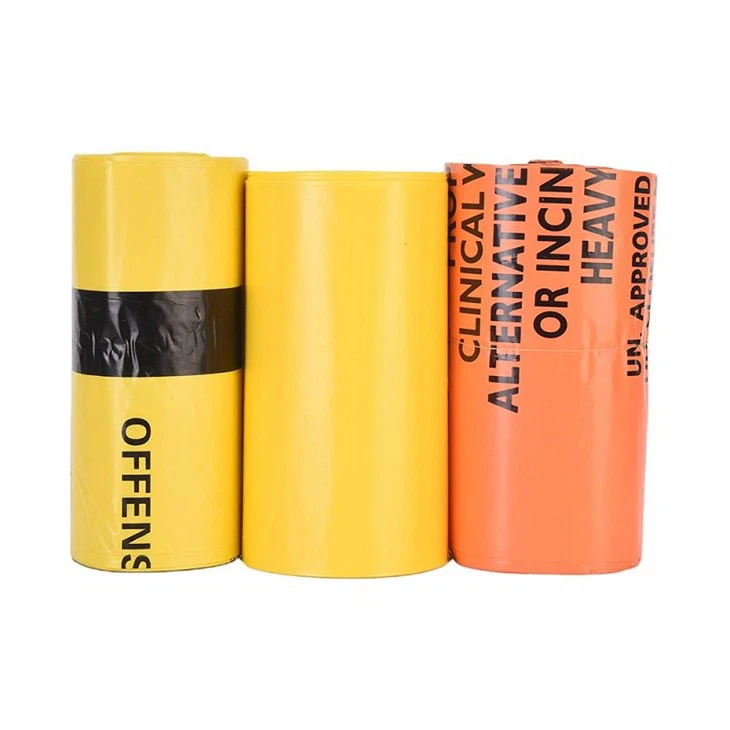
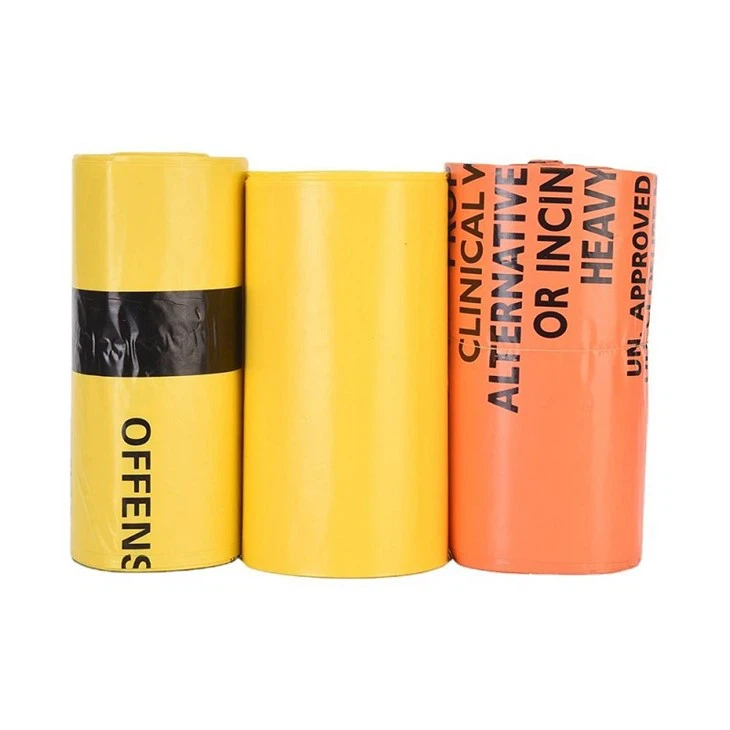
There are different types of biodegradable bags available in the market, each with its own unique properties. For example, Biodegradable Bag is a general term that encompasses various products. Yellow Biohazard Bag is often used in medical and laboratory settings, where it needs to be strong enough to contain potentially hazardous materials. Compostable Poly Bags are designed to break down in a composting environment, returning valuable nutrients to the soil.
The Strength of Biodegradable Bags
The strength of a biodegradable bag depends on several factors, including the materials used in its production, the manufacturing process, and the intended use. Modern biodegradable bags are engineered to offer a good balance between strength and environmental friendliness.
Materials
Many biodegradable bags are made from polymers derived from natural sources such as cornstarch, potato starch, or tapioca. These polymers can be formulated to have similar properties to traditional plastics, including strength and flexibility. For example, polylactic acid (PLA), a common material in biodegradable bags, has good tensile strength and can withstand moderate stress.

Some biodegradable bags also incorporate additives or reinforcements to enhance their strength. For instance, fibers such as bamboo or hemp can be added to the polymer matrix to increase the bag's tear resistance and durability. These natural fibers not only improve the strength of the bag but also contribute to its biodegradability.
Manufacturing Process
The manufacturing process plays a crucial role in determining the strength of biodegradable bags. Extrusion, a common method for making plastic bags, is also used for biodegradable bags. During extrusion, the polymer is melted and forced through a die to form a thin film. The temperature, pressure, and speed of the extrusion process can affect the molecular structure of the polymer, which in turn influences the bag's strength.
In addition, post - processing techniques such as stretching or annealing can be used to align the polymer chains and improve the bag's mechanical properties. These techniques can increase the bag's strength, making it more suitable for long - term use.
Long - Term Use Scenarios
Whether biodegradable bags are strong enough for long - term use depends on the specific application. Let's explore some common scenarios:
Grocery Shopping
For everyday grocery shopping, biodegradable bags are often strong enough. Most biodegradable grocery bags are designed to hold a reasonable amount of weight, typically up to 10 - 15 kilograms. They have reinforced handles and are made from materials that can withstand the stress of carrying groceries from the store to the car and then to the home. With proper handling, these bags can be reused multiple times, making them a sustainable option for long - term grocery shopping.
Industrial Use
In industrial settings, the requirements for bag strength are much higher. For example, in the agricultural industry, bags are used to transport and store heavy loads of grains, fertilizers, or animal feed. Biodegradable bags can be engineered to meet these demands. By using high - strength polymers and appropriate reinforcements, biodegradable bags can be made strong enough to handle industrial applications. However, it's important to note that the long - term durability of these bags may be affected by factors such as exposure to moisture, sunlight, and chemicals.
Medical and Laboratory Use
Yellow Biohazard Bag used in medical and laboratory settings need to be extremely strong and reliable. They must be able to contain potentially infectious materials without tearing or leaking. Biodegradable biohazard bags are designed to meet strict safety standards. They are made from materials that are resistant to punctures and can withstand the rigors of handling and transportation. These bags are often tested to ensure their strength and integrity, making them suitable for long - term use in medical and laboratory environments.
Comparing with Traditional Plastic Bags
When considering the strength of biodegradable bags for long - term use, it's natural to compare them with traditional plastic bags. Traditional plastic bags, such as those made from polyethylene, are known for their high strength and durability. However, they also have significant environmental drawbacks.
Biodegradable bags may not always match the strength of traditional plastic bags in every aspect. For example, in some high - stress applications, traditional plastic bags may be more resistant to tearing and puncturing. However, the gap in strength is narrowing as technology advances. Many biodegradable bags now offer comparable strength to traditional plastic bags, especially in common everyday uses.
Moreover, the environmental benefits of biodegradable bags far outweigh any minor differences in strength. Traditional plastic bags can take hundreds of years to break down, contributing to pollution and harming wildlife. Biodegradable bags, on the other hand, offer a more sustainable solution that can help reduce our environmental impact.
Conclusion
In conclusion, biodegradable bags can be strong enough for long - term use, depending on the specific application. With advancements in materials science and manufacturing technology, modern biodegradable bags are engineered to offer good strength and durability. Whether you're using them for grocery shopping, industrial applications, or medical purposes, there are biodegradable bag options available that can meet your needs.
As a supplier of biodegradable bags, I am committed to providing high - quality products that combine strength with environmental sustainability. If you're interested in learning more about our biodegradable bag offerings or would like to discuss a potential purchase, please feel free to reach out. We look forward to working with you to find the best biodegradable bag solutions for your needs.
References
- ASTM International. (2021). Standards for biodegradable plastics. Retrieved from ASTM website.
- European Bioplastics. (2022). Bioplastics market report. Retrieved from European Bioplastics website.
- US Environmental Protection Agency. (2020). Plastic pollution and solutions. Retrieved from EPA website.