

Lanxi Kangyuan Syringe Destruction Equipment Co., Ltd., Lanxi Kangyuan Syringe Destruction Equipment Co., Ltd. was established in 2010, as a Chinese medical waste management industry chain of technology-based enterprises, company business covers medical waste packaging containers, plasma (ozone) sterilizer, medical waste information management system three major sectors, research, production, marketing, clothing and comprehensive utilization as one, covers Medical, environmental protection, information technology, AL intelligence, physical manufacturing, Internet +, big data and other concepts, has great development potential, Kangyuan companies adhere to the traditional industry high-precision concept, we are the first to develop an information management system for medical waste in China, which integrates the medical waste packaging container with the medical waste traceability label to completely prevent the loss of medical waste.
Why choose us?
Production experience and ability
Kangyuan company has been focusing on the application of new technology and new materials.22 years' experience in producing medical waste containers. We can produce 50,000-80,000 sharp containers per day, which can meet the needs of major international customers.
Quality assurance
We pride ourselves on providing quality service and products to our customers. We have high productivity, excellent quality and competitive prices. All production equipment and raw materials come from the world's top suppliers, and we pursue 100% international customer satisfaction.
Free samples available
One of the biggest worries when purchasing from a Chinese supplier, especially for the first time, is that when the goods arrive is it exactly what you want. We offer free samples to ease your concerns.
Online customer service
Our sales and our technician service is one to one. If you have any question, we will respond to you within 24 hours.
What is Plastic Dustbin
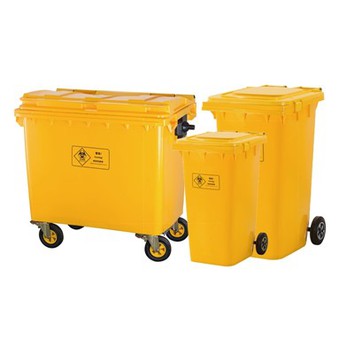
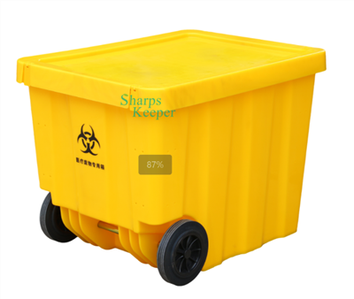
Plastic dustbin is a waste container used for briefly storing trash in office complexes, hospitals, outside houses, and more locations. The plastic dustbin is made out of recyclable plastic material. They store in a variety of renewable and non-renewable materials and contribute to environmental preservation.
Benefits of Plastic Dustbin
Waste management
Dustbins are essential for proper waste disposal. They serve as designated containers for collecting and containing various types of waste, preventing littering and promoting a clean environment.
Hygiene and health
Proper waste disposal in dustbins helps control the spread of diseases and infections. Waste, if left unattended, can attract pests and harmful microorganisms that pose health risks to humans and animals. Dustbins contribute to maintaining a hygienic living and working environment.
Environmental conservation
By using dustbins, individuals can contribute to environmental conservation. Proper waste disposal prevents pollution of soil, water, and air, reducing the impact of waste on ecosystems and wildlife.
Aesthetics
Dustbins contribute to the aesthetic appeal of public spaces and private areas. Litter-free surroundings enhance the visual appeal of a place, making it more pleasant for residents, visitors, and passersby.
Compliance with regulations
Many communities and municipalities have regulations and guidelines for waste disposal. Proper use of dustbins ensures compliance with these rules, fostering a sense of responsibility and civic duty among individuals.
Recycling initiatives
Dustbins often come with separate compartments for different types of waste, facilitating recycling efforts. Separating recyclable materials from general waste helps in the efficient recycling of resources, reducing the burden on landfills.
Odor control
Closed or covered dustbins help control unpleasant odors associated with decomposing waste. This is particularly important in public places and residential areas to maintain a pleasant living environment.
Preventing water pollution
When waste is disposed of improperly, it can contaminate water sources. Dustbins play a crucial role in preventing water pollution by providing a designated place for waste, keeping it away from rivers, lakes, and other water bodies.
Types of Plastic Dustbin
Yellow dustbins
This type of dustbin is usually used for dry wastes like paper, cardboard, and plastic bottles. These dustbins are generally used in hospitals, schools, offices, and often in public places. Yellow dustbins specialize in the collection of recyclable materials. They help in separating waste that can be recycled and reused, helping in saving resources.
Red dustbins
Red bins used for throwing away dangerous stuff like used batteries, chemicals, and medical waste. They're made with special materials that stop bad reactions to these hazardous things, so there's less chance of fires or other dangerous situations. These bins are a big help in keeping the environment clean by making sure harmful stuff doesn't mess it up. You'll often see red bins in places like hospitals, labs, factories, and warehouses where there's lots of hazardous waste.
Green dustbins
Green bins are meant for throwing away organic stuff like food scraps, garden waste, and things that break down easily. You'll often spot them in kitchens, parks, and other public areas where there's a lot of compostable waste. By segregating organic waste, green dustbins help in producing compost which can be used for soil fertilization for gardening and farming.
1.Biodegradable waste includes all the organic waste that comes from our kitchen. Therefore, we must use a Plastic Dustbin in our kitchen to collect all the Biodegradable waste.
2.The non-biodegradable waste such as electric wires and glass can be collected in another coloured plastic dustbin.
3.The main role plastic dustbins is to keep filthy and decomposing garbage in one place away from the rest of the surrounding environment. Furthermore, using plastic dustbins is an efficient way to reduce and recycle garbage.
4.Plastic dustbins are quite beneficial in tackling the issue of garbage disposal. The government of India has planned the mission of deploying several plastic dustbins all over the country. These community bins are placed by municipal authorities on road corners to help decrease the chances of waste dumping.


5.There is another major issue that we often times come across is related to deficient information among individuals regarding garbage disposal. Waste management is a subject that is ignored regularly resulting in people being left uneducated, unaware of the impact of throwing waste out in the open.
6.Dustbins are quite beneficial in maintaining the ecological balance. This is because when you segregate garbage, it becomes easy to recycle items leading to the reduction of the burden on nature. Furthermore, recycling after the waste has accumulated in the dustbins is easier when compared to the processing and mining activity to recover non-biodegradable items.
7.Plastic storage is preferred by most individual offices and municipalities over metal or wooden storage containers. There are many reasons for it. Firstly, Plastic bins are easier to transport or carry from one place to another. Secondly, they are mostly inert in nature leading to non-interference from external factors. Additionally, they are corrosion-proof, insect-proof, and rust-proof.
8.Having a plastic dustbin in the house is an excellent way to improve the aesthetic appeal of the entire place. This is because dustbins around the house provide a convenient location for the members of the family to dispose of their waste. People tend to throw trash anywhere and everywhere if they don’t have proper access to dustbins.
Mistakes to Avoid When Using Plastic Dustbins
Using wrong type of plastic dustbin
Some bins for plastic dust differ. The wrong choice of dustbins can cause inefficiency and environmental problems due to not utilizing suitable dustbins. As an example, some of the plastic bins are meant for general waste, whereas others are meant to be recycled. Recyclables and general waste should not be put in the same bin, as this undermines recycling efforts.
●Solution: Understand Bin Labels and Codes
It is always advisable to read what it says in the dustbin. These kinds of recycling bins are labeled by the kind of waste they take, such as paper, plastic, and glass. Become conversant with recycling codes so as to know the appropriate bins to use depending on the waste you want to dispose of.
Overfilling the dustbin
Dustbins that have been overfilled are not only unpleasant, but they cause real difficulties too. These bins do not empty easily without making a mess of the place around them, while the overflowing rubbish tends to linger in the environment. In addition, an excess of trash dumped into bins may result in a pest and rodent infestation, thus posing significant health concerns and environmental issues.
●Solution: Regularly Empty the dustbin.
Carry out routine emptying of the plastic dustbin based on the amount of household or office waste generated by you. Ensure that the bin is not always filled up to capacity between two bin pickups. A bigger bin or more frequent waste collections would provide an alternative plan if bin fullness occurs regularly before a scheduled emptying.
Ignoring the significance of sorting waste
One of the common errors is that waste is not sorted out or managed prior to its disposal. It is also difficult to recycle different types of waste when they are combined during disposal. Therefore, such action leads to the disposal of more trash in landfills, resulting in contamination that causes pollution.
●Solution: Implement a Sorting System.
Promote the source segregation of waste material. Ensure there are distinct receptacles for different types of trash, including paper, plastic, glass, and biodegradable garbage. Inform fellow households of the need for sorting waste to boost their recycling efforts.
Neglecting to rinse recyclables
The cleaning of recyclables has the effect of eliminating foreign matter. Most people also tend to forget about washing out containers they consider for recycling. Some of these contaminated items can cause the rejection of loads at recycling facilities.
●Solution: Rinse before recycling.
Ensure you clean containers and put them into the recycle bin after use for a few seconds. Such a small step might do much for the recycling of these products and reduce the chances of getting rejected during recycling.
The use of plastic bags in the dustbin
The disposal of used plastic bags into dustbins has consequences as far as the issue of plastic pollution goes, besides the fact that it inhibits the decomposition of organic waste in landfills. Years are sometimes taken for plastic bags that break down, and therefore, they pose great danger to the environment.
●Solution: Consider using biodegradable or compostable bags.
Use alternative types of eco-friendly options, including biodegradable or compostable bags, rather than ordinary plastic bags. Moreover, these choices dissolve more readily, thus minimizing their effect on our environment. Instead, you may choose to forego the use of bags, especially for dry materials like dry recyclables.
Disposing of hazardous waste incorrectly
Such things, which include batteries, electric materials, and some chemicals, may not be thrown into the normal rubbish bins. The wrong disposal of toxic waste could lead to enormous damage to both the environment and humans.
●Solution: Follow proper disposal guidelines.
Conduct research into the appropriate procedures for waste disposal in your locality. There are many communities with designated collection sites or programs for hazardous materials.
Process of Plastic Dustbin
Material selection
The first step in manufacturing plastic trash cans is selecting the appropriate materials. High-density polyethylene (HDPE) and polypropylene (PP) are commonly used due to their durability, resistance to chemicals, and recyclability. These materials offer the necessary strength and longevity required for waste containment.
Injection molding
Injection molding is the primary technique employed to shape the plastic into the desired form. The process begins with the preparation of plastic pellets, which are melted and injected into a mold cavity under high pressure. The mold, typically made of steel, determines the size and shape of the trash can. After cooling and solidification, the mold is opened, and the newly formed plastic trash can is ejected.
Assembly
Once the plastic trash can is molded, additional components such as lids, handles, and wheels may need to be attached. These parts are carefully assembled using techniques such as ultrasonic welding, snap-fit connections, or adhesive bonding. The assembly process ensures that the trash cans are functional and user-friendly.
Quality control
Quality control is crucial to ensure that the manufactured plastic trash cans meet the required standards. Various inspections and tests are conducted throughout the production process. These include checking for dimensional accuracy, structural integrity, and the absence of defects or surface imperfections. Additionally, the trash cans may undergo performance tests to evaluate their strength, impact resistance, and compatibility with waste disposal systems.
Environmental considerations
The production of plastic trash cans also involves environmental considerations. Manufacturers are increasingly adopting sustainable practices, such as using recycled plastics or incorporating biodegradable additives into the materials. Additionally, waste reduction initiatives, energy-efficient manufacturing processes, and proper waste management within the production facilities contribute to minimizing the environmental footprint.
Don’t put trash in a wet trash cart
After washing and rinsing, turn your trash can upside down to drip dry. This will help ensure you don’t create a new breeding ground for germs. Ensure it dries completely before you add new garbage, put in a garbage bag, or put on the lid.
Don’t put food scraps of any kind in the trash
To reduce smells and prevent moisture, put food scraps down in the garbage disposal. Do not put them in your trash can. Rinse out or wash any food containers, bottles, or cans. Allow them to air dry before you put them in your garbage can.
Don’t keep your trash in an enclosed area
Keeping your bins in an enclosed space can worsen the odor. Avoid putting your trash cart in a garage or shed. And, if possible, keep your containers in a shady spot. This keeps the contents from warming up and causing a foul odor.
Don’t overstuff your trash bags
In most cases, everyone squeezes the trash down to make room for whatever they’re throwing away. When you overload your trash bags, it is more difficult to tie them. They’re not only going to stink more, but they’ll also be harder to take out without ripping. Overstuffed bags can also cause leaks. Additionally, you should seal your trash bags so that their contents don’t attract flies.
Certificate


Our Factory
Kangyuan company has been focusing on the application of new technology and new materials, taking the lead in developing medical waste information management system in China. Information Management Program, the development of automatic sterilization and anti-bacterial function and intelligent sharps boxes, garbage cans, digital garbage collection vehicles, plasma (ozone) sterilizer and other high-tech products, the Sharp Tool Box and packing bag, which are suitable for digital reading and coding, meet the requirements of the whole life-cycle management and disposal of medical waste in hospitals and supervision departments, and provide technical guarantee for eliminating medical waste loss. Looking forward to our in-depth cooperation, Welcome to China, to the Sharps Keeper


FAQ
As one of the most professional plastic dustbin manufacturers and suppliers in China, we're featured by quality products and competitive price. Please rest assured to wholesale customized plastic dustbin made in China here from our factory.
220l plastic dustbin, yellow plastic dustbin, yellow medical waste dustbin